.png)

Animal volunteering in Brazil – Protecting biodiversity
- Jun 15
- 4 min read
Do you dream of venturing into the Amazon rainforest, experiencing life close to nature, and making a real difference in protecting endangered species? From our lodge, located about four hours from Manaus, we witness firsthand how eco-volunteering and wildlife volunteering in Brazil are transforming travelers' perspectives on biodiversity. Before you pack your bags, discover how scientific reserves operate, what is truly expected of volunteers, and how these missions contribute to the fight to preserve the Amazon.
Eco-volunteering and animal volunteering in Brazil: Protecting biodiversity in Brazil
Understanding eco-volunteering in the Brazilian Amazon
Defining eco-volunteering in the Brazilian Amazon
Eco-volunteering involves participating in projects that directly aim to protect nature and local communities. In Brazil, this often means joining nature reserves, animal sanctuaries, or research centers located in areas as sensitive as the Amazon.
How does animal volunteering work in a Brazilian scientific reserve?
The role of scientific reserves in volunteering
Scientific reserves are not tourist parks: they are places of care, research and reintroduction closely controlled by environmental authorities.

A biodiversity hotspot and a unique field for engagement
Exceptional but fragile biodiversity
Brazil is one of the most biodiverse countries: approximately 700 new animal species are described there each year. Yet, this wealth is under intense pressure: massive wildlife trafficking, deforestation, agricultural expansion, and gold mining are fragmenting habitats.
Specific tasks during a mission in the Amazon
Examples of field missions in the Amazon
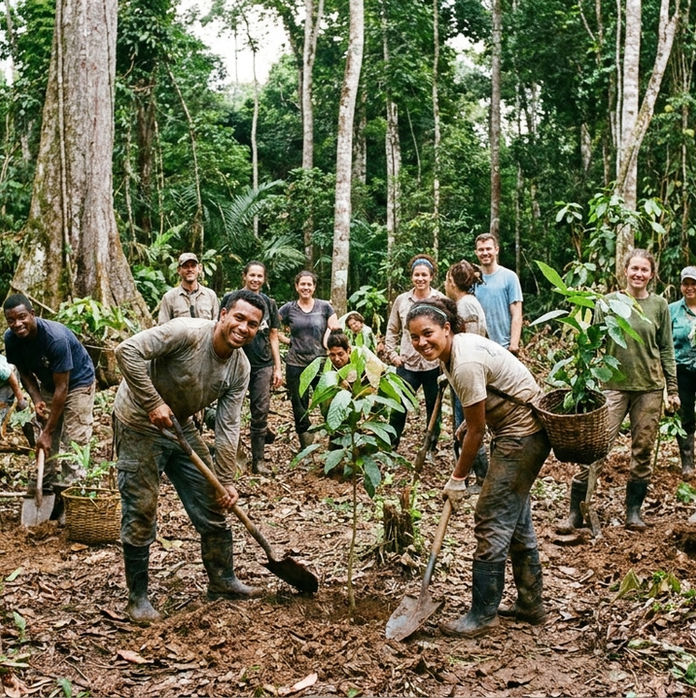
Depending on the project and your profile, your responsibilities will vary. You may participate in the collection of scientific data (transects, camera traps, water quality measurement), the reforestation of degraded areas, or environmental education for visitors and local communities.
Practical conditions: duration, cost, level of commitment
Tailor your project to your availability and budget
Before committing to animal volunteering in Brazil, consider the time you have available, your overall budget, and the intensity of commitment you are looking for, whether it is a discovery trip or a longer immersion.
Type of stay | Main features |
Short stay | Discover the Amazon rainforest, first supervised field missions, pace adaptable to beginners. |
Medium-length stay | More regular participation in scientific protocols, better understanding of local issues. |
Immersion longue | In-depth integration with local teams, project monitoring over several weeks or months. |
How to choose your eco-volunteering project in Brazil
Criteria for evaluating an eco-volunteering project
To select the mission that suits you, check the scientific credibility of the program (presence of biologists or veterinarians), the real importance given to animal welfare (limited direct contact), the financial transparency (detailed use of expenses) and the suitability to your level of commitment.
Mini FAQ on eco-volunteering and animal volunteering in Brazil
By carefully choosing your mission and understanding how scientific reserves operate, you will have a useful and educational experience while respecting the Amazon rainforest Whether you're going for several months or a shorter stay in a lodge with transport, accommodation, meals, activities, and a guide included, the key is to support projects genuinely committed to biodiversity. To prepare for your immersion, explore the dedicated trips on the website of Pure Brazil Tour and discover our eco-friendly travel solutions in the Amazon.
Are specific skills required to participate in animal volunteering in Brazil?
Many eco-volunteer missions in the Amazon remain accessible to a variety of profiles. Good physical condition, motivation, and a genuine sensitivity to nature conservation are often more important than advanced technical skills, although training in biology or environmental science can be an asset.
What level of language is recommended for a project in the Amazon?
Depending on the organization, communication may be in Portuguese, English, or French. A basic understanding of English or Portuguese facilitates communication with local teams, but some projects led by French speakers allow participants to go even with a beginner level in the foreign language.

What does a typical day in a scientific reserve look like?
A typical day might alternate between wildlife observations, field surveys, participation in basic animal care, logistical tasks for communal living, and theoretical training. The schedule is generally structured but adapts to weather conditions and current priorities.
Is animal volunteering in Brazil suitable for a first trip to the Amazon?
For a first trip to the Amazon, joining a structured project can be reassuring and provide a safe environment. Living within an experienced team allows you to discover the forest, its rules and its challenges while being accompanied, whether you are traveling alone, as a couple or with friends.
Key points to remember when preparing your project in the Brazilian Amazon
An eco-volunteer or wildlife volunteering project in the Brazilian Amazon requires reflection, preparation, and clarity about your expectations. By taking the time to identify the type of mission that suits you, understand the role of scientific reserves, and assess your level of commitment, you maximize the positive impact of your stay.
While there, your presence supports teams dedicated to protecting Amazonian biodiversity on a daily basis. In return, you leave with a powerful experience, a better understanding of local issues, and the satisfaction of having contributed, in your own way, to the preservation of this unique ecosystem.


Comments