.png)

Iguazu Falls Brazil - Argentina | Which side to choose?
- Jul 5
- 5 min read
When planning a trip to Brazil or Argentina, the same question inevitably arises: should you experience Iguazu Falls from the Brazilian or Argentinian side? Behind this seemingly simple hesitation lie two very different yet complementary experiences. If you dream of spectacular views of the falls and postcard-worthy photos, Brazil has a compelling case. If you prefer immersion in the rainforest, walkways close to the water, and hiking in nature, Argentina is often considered the more complete experience.
As nature travel specialists in Brazil, we offer you a concrete overview to resolve this dilemma and build the itinerary that truly suits you.
Should you visit Iguazu Falls from the Brazilian or Argentinian side?
Understanding Iguazu Falls from the Brazilian and Argentinian sides
The Iguazu Falls form a series of hundreds of waterfalls stretching over several kilometers, on the border between Brazil and Argentina. They are located near two gateway cities: Foz do Iguaçu on the Brazilian side and Puerto Iguazú on the Argentinian side.
The Iguazu River marks the border between the two countries. The majority of the falls are physically located on the Argentinian side, while Brazil is on the opposite side, which explains the difference in the experience:
On the Brazilian side, you walk facing an immense wall of water and get a spectacular overall view. On the Argentinian side, you travel on walkways above the river, between the islands, under and above the falls: you are literally immersed in the scenery.
Both banks are protected by a national park with internal shuttles and strict regulations to preserve the subtropical forest.
Visiting Iguazu Falls from the Brazilian side
The XXL panorama experience
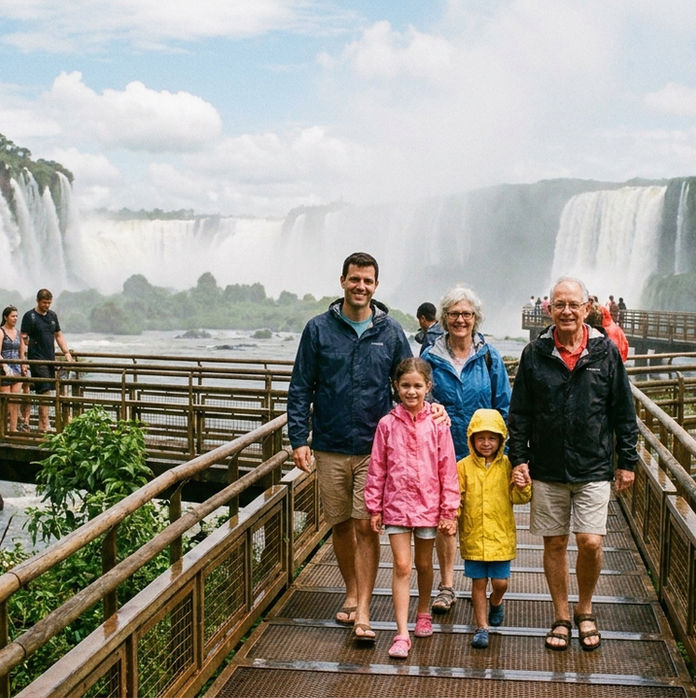
The main trail follows the cliff opposite the falls and offers a series of viewpoints. After entering the park, a panoramic bus drops visitors off at the trailhead. The walk, short and almost flat, allows you to admire most of the waterfalls from afar, then gradually closer. The final footbridge extends into the river at the foot of a huge waterfall: you are surrounded by water and enveloped by mist – a truly breathtaking experience!
Visit duration, atmosphere and practicality
The tour typically lasts two to three hours. Modern infrastructure, frequent buses, and clear signage make the experience very accessible, especially for families or travelers in a hurry. However, the walk through the forest is shorter, and wildlife viewing is more limited, although coatis and colorful birds are often seen.
Advantages and limitations of the Brazilian side
Strengths | Limits |
Exceptional panoramic view of the entire falls | Fewer trails in the great outdoors |
Short visit and very simple logistics | Sometimes it felt more like an attraction |
Comfortable and accessible infrastructure for all | We stay at a distance from part of the falls. |
Visiting the Iguazu Falls on the Argentinian side
An immersive experience at the heart of the falls
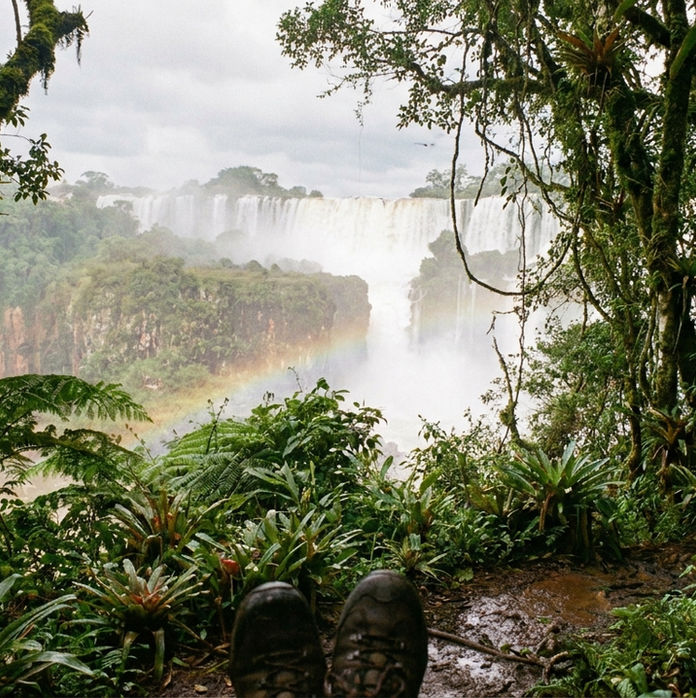
The larger Argentinian national park is explored via a network of trails and walkways that immerse visitors in the landscape. Three main circuits are organized around a small internal train: the upper circuit (above the falls), the lower circuit (closest to the water) and the walkway leading to the famous "Garganta del Diablo".
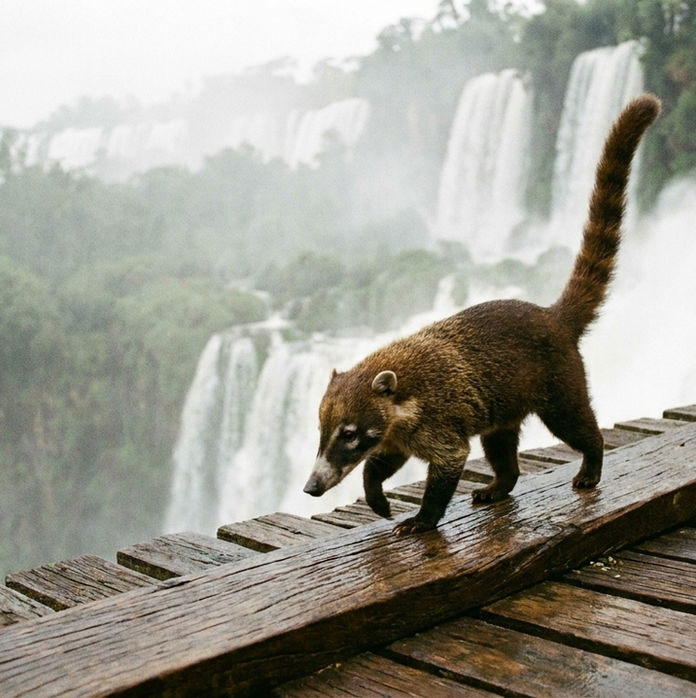
The subtropical forest is omnipresent: you walk through the vegetation, cross the river, and feel the power of the water beneath your feet and sometimes on your skin. The wildlife is often more visible than in Brazil: birds, butterflies, coatis, and even monkeys.
Time to allow and pace
Allow a full day to enjoy the various trails, train journeys, and stops at viewpoints. The paths are well-maintained and accessible, but be sure to wear good shoes, bring water, and sun and rain protection. Arriving early will help you avoid the crowds, especially at the "Garganta del Diablo" (Devil's Throat).
Advantages and limitations of the Argentinian side
Strengths | Limits |
Larger park and more complete visitor experience | A longer and more tiring day |
Nature immersion with more trails | The organization is more complex if you are staying in Brazil. |
Better chances of observing wildlife | Entry is often more expensive than on the Brazilian side. |
Choose your side according to your profile
You have very little time:For a spectacular panorama in half a day, choose Brazil.
You enjoy hiking and the great outdoors:Argentina offers more trails and a longer immersion.
Are you travelling as a family with young children?Brazil is easier; Argentina remains a possibility if the children are good walkers.
Are you passionate about photography?Ideally do both; otherwise choose between grand panorama (Brazil) or immersive angles (Argentina).
Your budget is tight:Entry and activity costs are often higher on the Argentinian side; Brazil can limit expenses.*
If you enjoy these spectacular settings, Brazil also offers intense experiences in the Amazon, such as our eco-lodge tours departing from Manaus.
Combine both sides into an optimized circuit
Recommended two-day itinerary
1. Day 1 – Brazilian side:Arrival in Foz do Iguaçu, half-day visit to the national park, free evening.
2. Day 2 – Argentinian side:Early departure for Puerto Iguazú, full day in the Argentinian park (tours + “Garganta del Diablo”), return in the late afternoon or evening.
Access, borders and practical organization
Foz do Iguaçu and Puerto Iguazú are connected by buses that cross the border. The crossing is straightforward but can take time: allow extra time for checks and verify the entry requirements according to your nationality. The parks are open during the day; arriving as soon as they open, especially on the Argentinian side, maximizes your time on the trails.
Iguazu Falls can easily be incorporated into a larger trip that takes you from major cities to the Atlantic coast and the Amazon. After the thundering waterfalls, many appreciate the quiet immersion in the Amazon rainforest.
FAQ
How much time should I allow?
For a complete exploration, allow two days: one side per day. With less time, choose either Brazil (quick overview) or Argentina (longer walk).
When is the best time to visit?
The falls are spectacular year-round. After heavy rains, the flow increases, but mist can reduce visibility. During the drier season, the trails are often more pleasant. If possible, avoid public holidays and busy long weekends.
Can we visit as a family?
Yes. On the Brazilian side, the short paths are suitable for young children or people not used to walking. On the Argentinian side, the day is longer; plan for regular breaks.
Is this compatible with responsible travel?
Both national parks are managed to preserve the forest and wildlife. Stay on the trails, don't feed the animals, and minimize your waste. You can extend this experience with a stay in the Amazon at a family-run lodge working with native guides; see our Immersive and eco-friendly stays.
Ultimately, there is no single "best" side. Brazil offers a spectacular and accessible panorama; Argentina provides a longer and more varied immersion. Whenever possible, combine both shores to fully appreciate the power of this exceptional natural site.


Comments